
Africa's Infrastructure Deficit Is the Bet
Two decades of capital demand, continental trade integration, and renewable energy fundamentals have converged into a single, mappable thesis. The question is no longer whether — it is who can execute.
A $100B Annual Gap. Sector-Mapped.
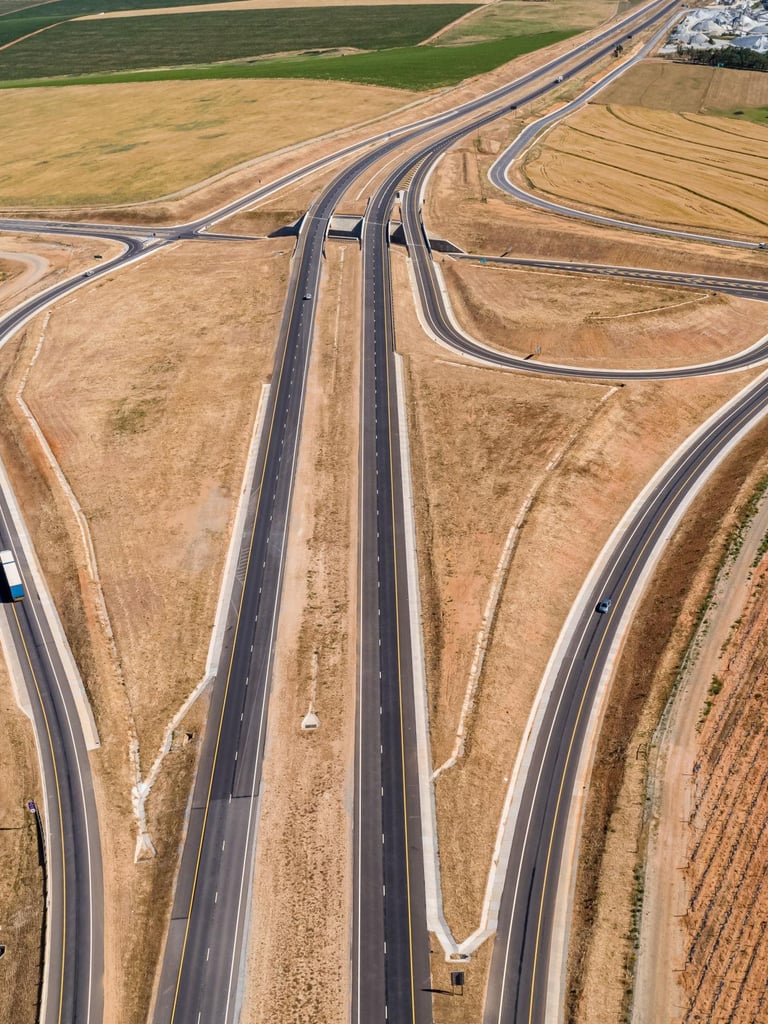
Africa's infrastructure financing gap exceeds $100 billion annually across transport, energy, water, and digital networks. Each sector is mapped, demand-verified, and accessible to patient capital with the right on-ground network.
AfroVest does not source deals from databases. Opportunity identification runs through years of regional relationships, site analysis, and multilateral engagement.
One Continental Market. Structurally Favorable.
$3.4 Trillion
54 Nations
2.5B Consumers
AfCFTA signatories represent a structurally integrated demand base, reducing cross-border friction for capital structured with regional distribution in mind.
Africa's population by 2050 — the world's youngest demographic, with rising urbanization rates creating sustained demand across every infrastructure sector.
Combined GDP of the African Continental Free Trade Area — the single largest free-trade zone by participating countries in the world.
Where Returns and Resilience Converge
Infrastructure
Renewable Energy
Food Security & Agriculture
Solar, wind, and off-grid distributed assets, the continent's highest-returning infrastructure category, demand-verified and climate-aligned.
Transport corridors, port facilities, and urban logistics networks anchoring regional trade flows and AfCFTA integration.
Agricultural zones, cold-chain logistics, and agri-processing facilities serving domestic and intra-continental demand at scale.
Climate Resilience
Social Services
Flood management, water infrastructure, and adaptation assets structured as bankable projects with measurable environmental and financial returns.
Healthcare facilities, education infrastructure, and affordable housing, blended-finance structures linking development mandates to measurable cash flows.